Navigating the bustling urban center of Silicon Valley means managing everything from busy corporate campuses in North San Jose to vibrant community hubs across the Willow Glen and Almaden Valley neighborhoods. In a fast-paced environment where bustling tech offices, active community centers, and local schools operate at full tilt, residents, educators, and working professionals frequently seek reliable emergency-response preparation. Finding accessible, high-quality instruction is essential for anyone who wants to be ready when unexpected medical events happen.
Whether you are a teacher prepping for classroom safety mandates, a parent living near the Rose Garden area, or an administrative employee working near downtown, getting certified through reputable local programs is a practical step. This guide covers what you need to know about American Red Cross CPR and First Aid certification classes in San Jose, California, helping you understand course contents, audience requirements, and how to select the right training option for your professional or personal goals.
Quick Answer / Key Takeaway
Individuals searching in San Jose can explore American Red Cross CPR and First Aid training programs tailored to satisfy professional mandates, workplace safety regulations, educational requirements, childcare guidelines, or personal preparedness needs.
What Are American Red Cross CPR and First Aid Classes?
Understanding emergency-response education starts with breaking down its core components. Training programs combine distinct skill sets designed to help bystanders manage critical incidents before professional medical responders arrive.
- CPR Training: Focuses on recognizing cardiac arrest, performing chest compressions, and delivering rescue breaths when appropriate. Instruction often scales to cover adult, child, and infant care techniques.
- First Aid Training: Prepares individuals to handle common non-cardiac medical emergencies, such as severe bleeding, burns, fractures, allergic reactions, and sudden illnesses.
- AED Training: Integrates Automated External Defibrillator education into cardiac response, teaching participants how to safely operate portable devices that analyze heart rhythms and deliver shocks if necessary.
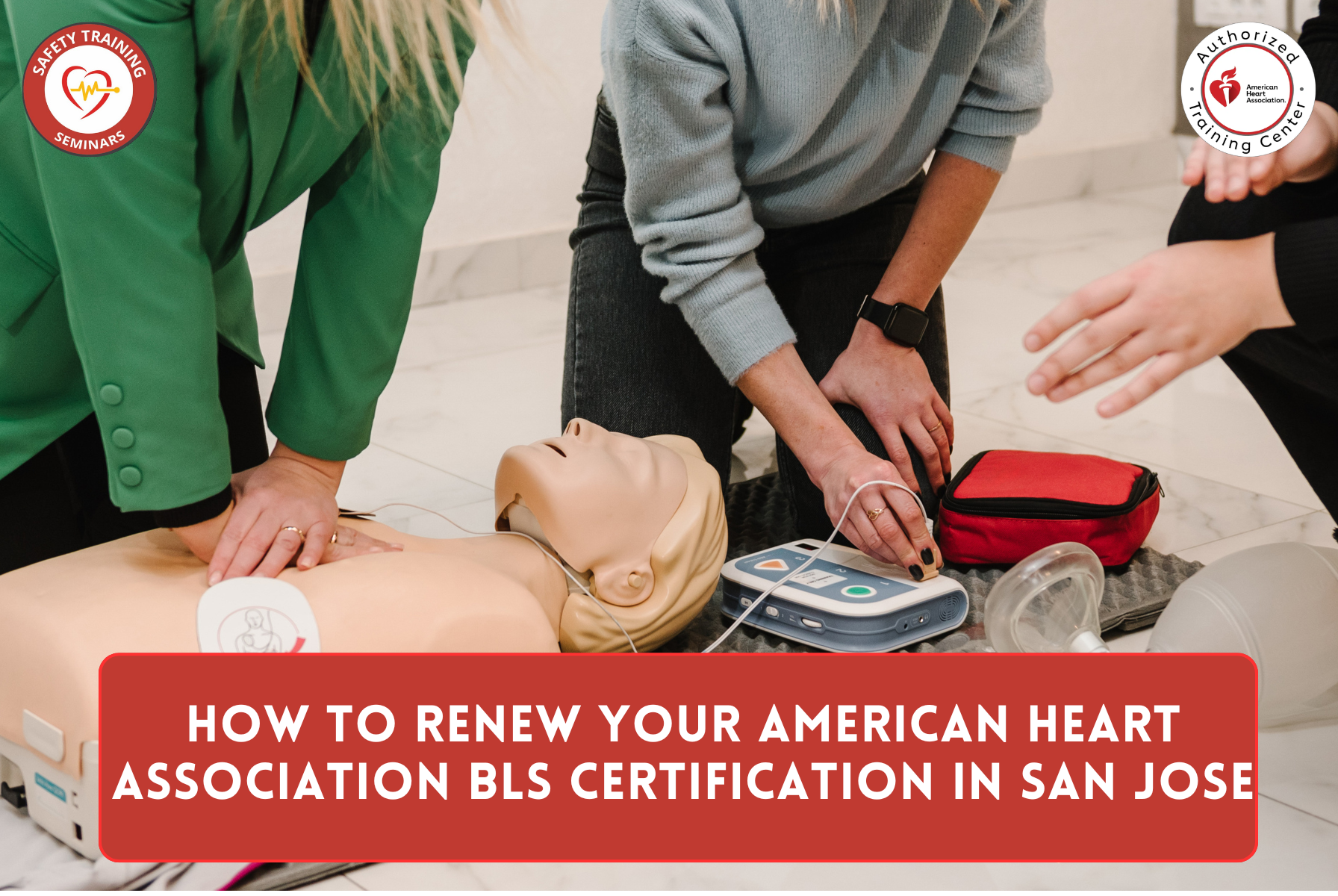
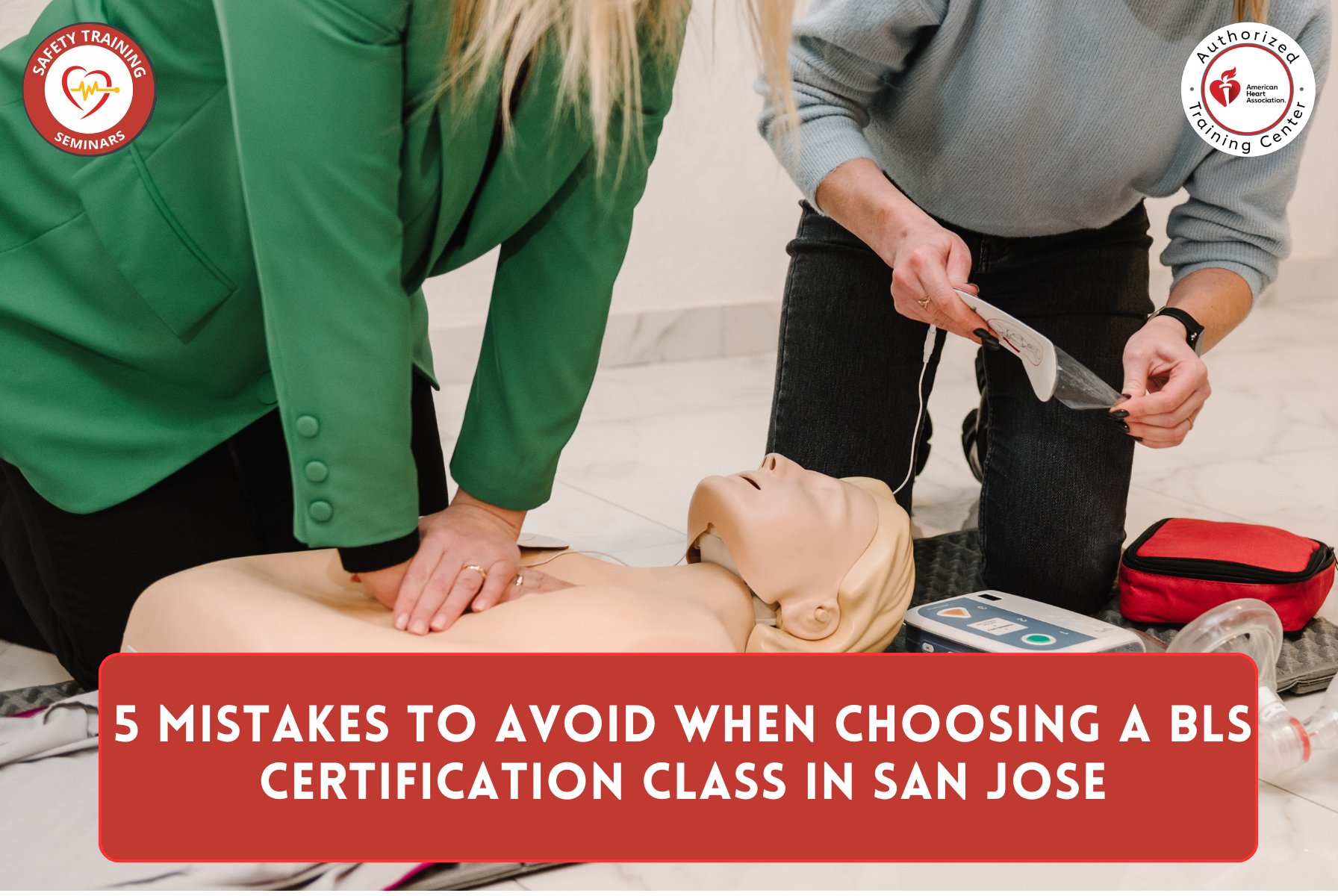
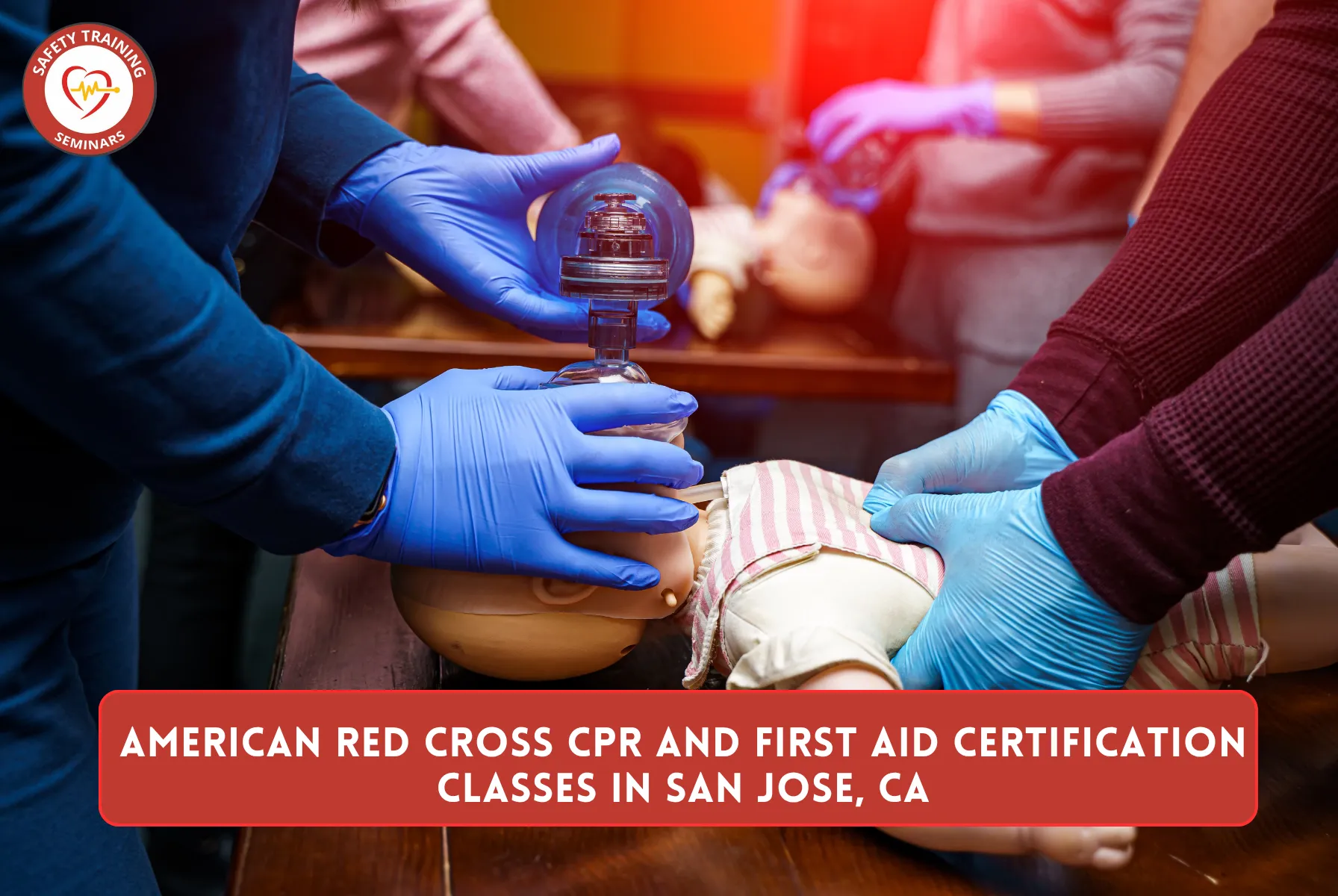
Because cardiac emergencies and physical injuries often occur under similar circumstances, CPR and First Aid are frequently bundled into comprehensive multi-topic sessions. Course selection depends entirely on what your employer, school, or organization requires. Hands-on practice remains a vital element of this education, as physically performing compressions on mannequins builds the muscle memory and confidence required during high-stress situations. Always verify your specific organization’s exact prerequisites before registering for a class.
CPR Training in San Jose
Cardiopulmonary resuscitation training forms the backbone of emergency preparedness. In a major metropolitan hub like San Jose, workers and community members often encounter settings where cardiac preparedness is a workplace standard or a personal priority.
Depending on the specific curriculum chosen, CPR instruction may encompass:
- Adult, Child, and Infant Protocols: Differentiating techniques based on the victim’s physical size and developmental stage.
- Team-Based Responding: Coordinating actions when multiple rescuers are available in corporate or healthcare support environments.
- Foreign-Body Airway Obstruction: Managing choking incidents across different age groups.
Local office personnel, manufacturing staff, and community volunteers often choose CPR-focused modules to satisfy internal safety policies. Because course contents vary, learners should review syllabus details to ensure the specific class aligns with their operational environment.
First Aid and AED Training in San Jose
While CPR targets cardiac events, First Aid and AED modules broaden an individual’s emergency toolkit. In diverse environments—ranging from athletic fields in the Cambrian district to local retail establishments and neighborhood schools—unexpected injuries require prompt, structured intervention.
First Aid education covers how to assess an injured person, manage environmental emergencies, control bleeding, and stabilize sprains or strains. When combined with AED instruction, participants learn how electrical defibrillation works hand-in-hand with chest compressions to maximize survival rates during sudden cardiac arrest.
Childcare providers, fitness instructors, coaches, and hospitality staff frequently incorporate these broader modules into their professional development. Reviewing the scope of your chosen curriculum ensures that the training matches the specific hazards or regulatory expectations you face on a daily basis.
Who Typically Takes CPR and First Aid Classes?
Emergency-response training attracts a diverse cross-section of the local population. Different professions and personal backgrounds drive the demand for certification across the South Bay.
- Teachers and Childcare Providers: Educators and daycare staff often need documented training to comply with state licensing standards and school district policies regarding child safety.
- Workplace Employees: Designated safety wardens, office personnel, and industrial staff take courses to meet internal corporate safety protocols or OSHA guidelines.
- Coaches and Fitness Professionals: Personal trainers, gym staff, and youth sports leaders maintain active certifications to protect clients and athletes.
- Healthcare Support Personnel: Administrative medical staff, dental assistants, and allied health workers frequently require foundational emergency credentials.
- Parents and Caregivers: Family members, babysitters, and foster parents enroll voluntarily to ensure they can protect infants and children at home.
- Students: Individuals entering nursing programs, vocational schools, or public service internships often secure certification before clinical rotations begin.
How to Choose the Right Course
Selecting the appropriate training level prevents wasted time and ensures your certification satisfies your specific obligations. The table below outlines common course configurations and their typical applications.
| Training Type | Core Focus | Typical Application |
| CPR | Chest compressions, rescue breaths, and choking relief. | General workplace safety, office staff, and community members. |
| First Aid | Managing sudden illness, bleeding, burns, and environmental injuries. | General hazard response and personal preparedness. |
| CPR/AED | Combined cardiac arrest management and defibrillator operation. | Fitness facilities, security personnel, and corporate offices. |
| First Aid / CPR / AED | Comprehensive multi-topic emergency response. | Teachers, childcare workers, coaches, and designated safety leads. |
Requirements vary significantly by employer, school district, licensing board, and professional organization. Always confirm your exact prerequisite rules with your supervisor, HR department, or program coordinator before enrolling in a specific class.
Local San Jose Training Considerations
San Jose features a dynamic mix of expansive suburban neighborhoods, dense commercial districts, and major transit corridors like Interstate 280 and Highway 101. From the tech campuses of North San Jose to the historic residential streets of Willow Glen, the city’s vast geographic footprint means residents value accessible, centrally located educational resources.
Local employers, school districts, and community groups frequently look for training options that minimize transit time while delivering fully compliant instruction. Whether you commute from nearby Cupertino, Campbell, or downtown San Jose, having access to a dedicated local facility makes it easier to complete requirements without disrupting your busy work or family schedule.
Safety Training Seminars in San Jose
For residents and workers seeking accessible instruction, local options like Safety Training Seminars provide streamlined enrollment and structured learning environments. If you are exploring CPR and First Aid classes in San Jose, reviewing local schedules helps you find a session that fits your timeline.
Classes are hosted at the Safety Training Seminars San Jose Willow Glen CPR Training Center Address: 1261 Lincoln Ave., Suite 213, San Jose, CA 95125.
Attending a local facility allows you to complete hands-on skill practice under the direct observation of experienced instructors. Before signing up, check the San Jose course catalog and registration details to confirm prerequisite guidelines, class formats, and exact times.
Why Choose Safety Training Seminars for CPR and First Aid Training in San Jose, CA
When scheduling emergency-response training, participants look for reliable administration, clear course descriptions, and convenient physical locations. Safety Training Seminars delivers focused educational programs designed around practical skill acquisition.
Key aspects of choosing this local provider include:
- Dedicated Local Facility: Centrally situated in the Willow Glen area with straightforward access for South Bay commuters.
- Clear Course Offerings: Transparent descriptions helping you match your professional or personal needs to the correct curriculum.
- Structured Registration: Straightforward online booking and scheduling designed to simplify the enrollment process.
- Hands-On Learning Support: Direct instructor feedback during physical practice sessions to ensure proper technique.
Reviewing these elements helps ensure your training experience runs smoothly from registration to completion.
Frequently Asked Questions
What CPR classes are available in San Jose?
Local providers offer various American Red Cross curricula, including adult-only CPR, pediatric care, and combined CPR/AED formats. Check specific course descriptions to find the exact configuration your workplace or organization requires.
Does First Aid training include CPR?
Not automatically. Standard First Aid covers injury and sudden illness management, while CPR focuses strictly on cardiac and breathing emergencies. Many participants choose combined courses that cover both topics simultaneously.
Does an employer accept American Red Cross training?
Employer acceptance depends entirely on internal company policies and industry regulations. Always verify your specific workplace or licensing requirements before registering for any certification course.
Is hands-on practice included in these classes?
Yes. Training options provided through local centers typically incorporate in-person skill practice on mannequins and equipment to ensure participants master proper physical techniques.
What should I verify before registering for a class?
You should confirm the exact level of certification required by your school, employer, or regulatory board. Ensuring you select the right tier prevents enrollment in a course that fails to meet your professional standards.
Conclusion
Securing proper emergency-response credentials is a valuable step for professionals, caregivers, and community members throughout the South Bay. By understanding the differences between CPR, First Aid, and AED modules, you can choose a curriculum that directly aligns with your daily responsibilities. Residents looking for structured instruction can explore local options at the Safety Training Seminars San Jose Willow Glen location. Always verify your specific institutional or workplace prerequisites before registering, and review available schedules to take the next step in your professional development.