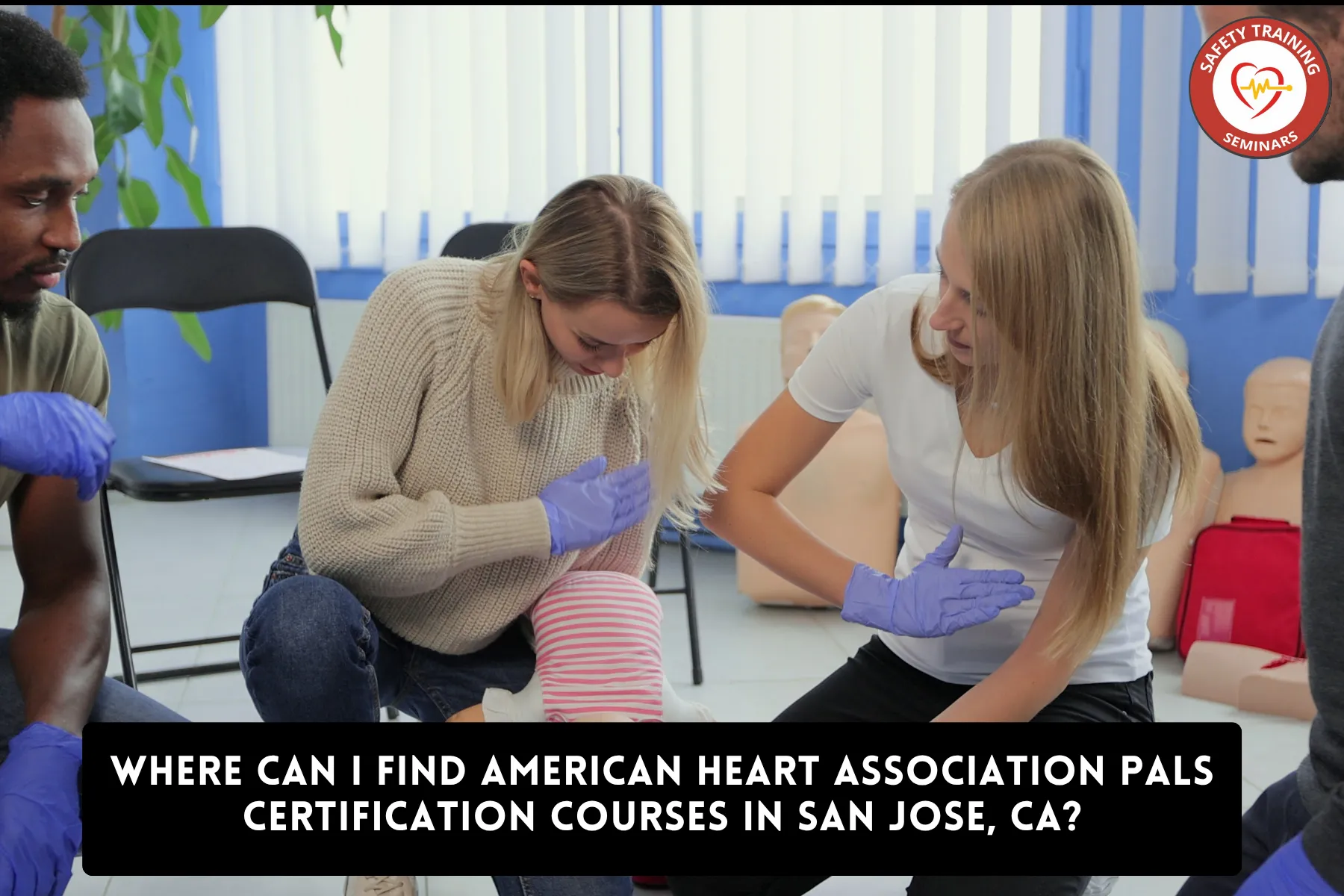
Healthcare professionals looking for American Heart Association (AHA) Pediatric Advanced Life Support (PALS) certification in San Jose, CA, can explore local training options through Safety Training Seminars. The San Jose Willow Glen CPR Training Center is a starting point for professionals who need pediatric emergency response training for their clinical responsibilities or employer requirements.
PALS training focuses on recognizing and managing life-threatening emergencies in infants and children, including respiratory failure, shock, cardiac arrhythmias, and cardiac arrest. Nurses, physicians, paramedics, and other healthcare providers may need this training depending on their roles. To explore the local option, visit the PALS certification classes in San Jose page for course information and registration details.
Before enrolling, verify the available class format, current schedule, and completion requirements to ensure the course meets your workplace’s expectations.
Understanding PALS Training for Healthcare Professionals
Pediatric Advanced Life Support is an advanced clinical training course designed for healthcare professionals who participate in the assessment and treatment of seriously ill or injured infants and children. It builds on basic life support knowledge by teaching a systematic approach to pediatric assessment, clinical decision-making, and resuscitation.
Unlike a general CPR course, PALS addresses complex emergencies that may require coordinated interventions and effective teamwork. The training helps participants recognize signs of deterioration, identify the likely cause of an emergency, and respond according to established resuscitation principles.
PALS certification may be relevant to:
- Registered nurses: Especially those working in emergency departments, pediatric units, and intensive care environments.
- Physicians: Including clinicians involved in pediatric emergency medicine and critical care.
- Paramedics and emergency medical personnel: Depending on their responsibilities and employer requirements.
- Respiratory therapists: Particularly those who support patients experiencing serious breathing difficulties.
- Other healthcare professionals: Those whose clinical duties include responding to pediatric emergencies.
Not every healthcare position requires PALS certification. Professionals should confirm the specific credential required by their employer, educational program, or licensing-related organization before registering.
What Makes San Jose Relevant for Pediatric Emergency Training?
San Jose’s healthcare environment includes hospitals, outpatient clinics, emergency services, and specialized pediatric care. For clinicians working with children, training in pediatric assessment and resuscitation can be relevant to the demands of their clinical roles.
One local example is Santa Clara Valley Medical Center, which provides pediatric services, including pediatric intensive care and specialized treatment. Its services illustrate the range of clinical settings in which healthcare professionals may encounter seriously ill children. This does not mean that the medical center endorses a particular training provider or that every position there requires PALS certification.
The local context also matters for professionals balancing clinical shifts, continuing education, and certification deadlines. Those living or working around Willow Glen, Downtown San Jose, or other parts of the South Bay may want to compare available course dates and travel arrangements before choosing a class.
What Will You Learn in a PALS Certification Course?
The AHA PALS Provider Course uses instruction and simulated pediatric emergencies to develop clinical assessment, decision-making, and resuscitation skills. The current AHA curriculum has been updated to reflect the 2025 Guidelines for CPR and Emergency Cardiovascular Care.
Key learning areas include:
- Early recognition: Identifying children who need immediate intervention and recognizing cardiac arrest promptly.
- Respiratory assessment: Differentiating respiratory distress from respiratory failure and understanding appropriate interventions.
- Shock management: Recognizing compensated and decompensated shock and understanding early treatment priorities.
- Cardiac rhythm assessment: Distinguishing stable from unstable arrhythmias and identifying signs of clinical deterioration.
- High-quality CPR: Applying pediatric resuscitation principles consistent with AHA basic life support recommendations.
- Team communication: Coordinating responsibilities and communicating clearly during simulated emergencies.
- Post-cardiac arrest care: Understanding important management priorities after resuscitation.
The course is designed to help healthcare professionals apply structured assessment and treatment approaches rather than rely solely on memorized information. Participants must meet the applicable knowledge and skills requirements to receive the relevant course completion card.
Choosing Between Instructor-Led and Blended PALS Training
The appropriate course format depends on your learning preferences, availability, and employer’s expectations.
| Format | What to expect | Best consideration |
| Instructor-led PALS | Classroom instruction with videos and simulated pediatric emergencies. | Confirm the full course schedule and assessment requirements. |
| HeartCode PALS blended learning | Online learning followed by a required hands-on skills session. | Check how the skills session is scheduled and whether it is included in your registration. |
The AHA recognizes both instructor-led and blended-learning approaches for PALS. The online component of HeartCode PALS does not, by itself, replace the required hands-on skills assessment for the applicable Provider course completion card.
When comparing PALS classes in San Jose, ask whether the course is intended for initial certification or renewal, what components are included, and how successful completion is documented. If your employer has a specific training policy, follow that policy when selecting your format.
How to Prepare Before Registering
Preparation can make the course more manageable, particularly for healthcare professionals balancing training with demanding clinical schedules.
Before enrolling, take these steps:
- Confirm your requirement. Check whether your employer needs an initial AHA PALS Provider course or renewal training.
- Review registration details. Verify the current dates, course format, fee, and any applicable prerequisites.
- Complete assigned learning. If you choose blended learning, finish the required online component before the scheduled skills session.
- Refresh your clinical knowledge. Review pediatric basic life support, respiratory assessment, and cardiac arrest recognition.
- Plan your attendance. Confirm the training location and arrival instructions before traveling.
- Ask about your completion card. Find out how the card will be issued and when you should expect access to it.
The AHA states that its course completion cards are generally valid for two years through the end of the month in which they were issued. Check your card’s expiration date and your employer’s renewal requirements rather than waiting until the last minute.
Frequently Asked Questions About PALS Classes in San Jose
1. Where can I register for PALS certification in San Jose?
You can start by reviewing the Safety Training Seminars PALS course page for San Jose. Confirm the current schedule, available formats, fees, and registration instructions before selecting a class.
2. Who is eligible for an AHA PALS course?
PALS is designed for healthcare professionals who direct or participate in managing pediatric respiratory or cardiovascular emergencies and cardiac arrest. Nurses, physicians, paramedics, and other qualifying providers may need the course for professional responsibilities. Check the course requirements before enrolling.
3. How long does PALS certification last?
An AHA PALS Provider course completion card is generally valid for two years through the end of the month of issuance. Review the expiration date on your card and arrange renewal according to your employer’s policy.
4. Can I take PALS training online?
You can complete the online learning component through the AHA’s HeartCode PALS blended-learning pathway. However, the applicable Provider course requires a hands-on skills session to earn the course completion card.
5. How much does PALS certification cost in San Jose?
Pricing depends on the provider, course format, and registration terms. Review the current Safety Training Seminars registration page for applicable fees and included course components before booking.
6. Is PALS the same as pediatric CPR certification?
No. PALS is an advanced course for healthcare professionals who manage serious pediatric emergencies. Pediatric CPR and first aid courses generally focus on foundational emergency response skills and may serve different audiences. Choose the course that matches your job or training requirements.
Find a PALS Certification Course That Fits Your Needs
Finding the right PALS class in San Jose starts with confirming your required credential, choosing an appropriate training format, and reviewing current registration details. Safety Training Seminars provides a local option for healthcare professionals seeking information about AHA pediatric life support training.
Visit the San Jose PALS certification course page to explore the available information and confirm the next steps. With the right preparation and a course that meets your professional requirements, you can work toward maintaining your credentials and strengthening your ability to respond to pediatric emergencies.